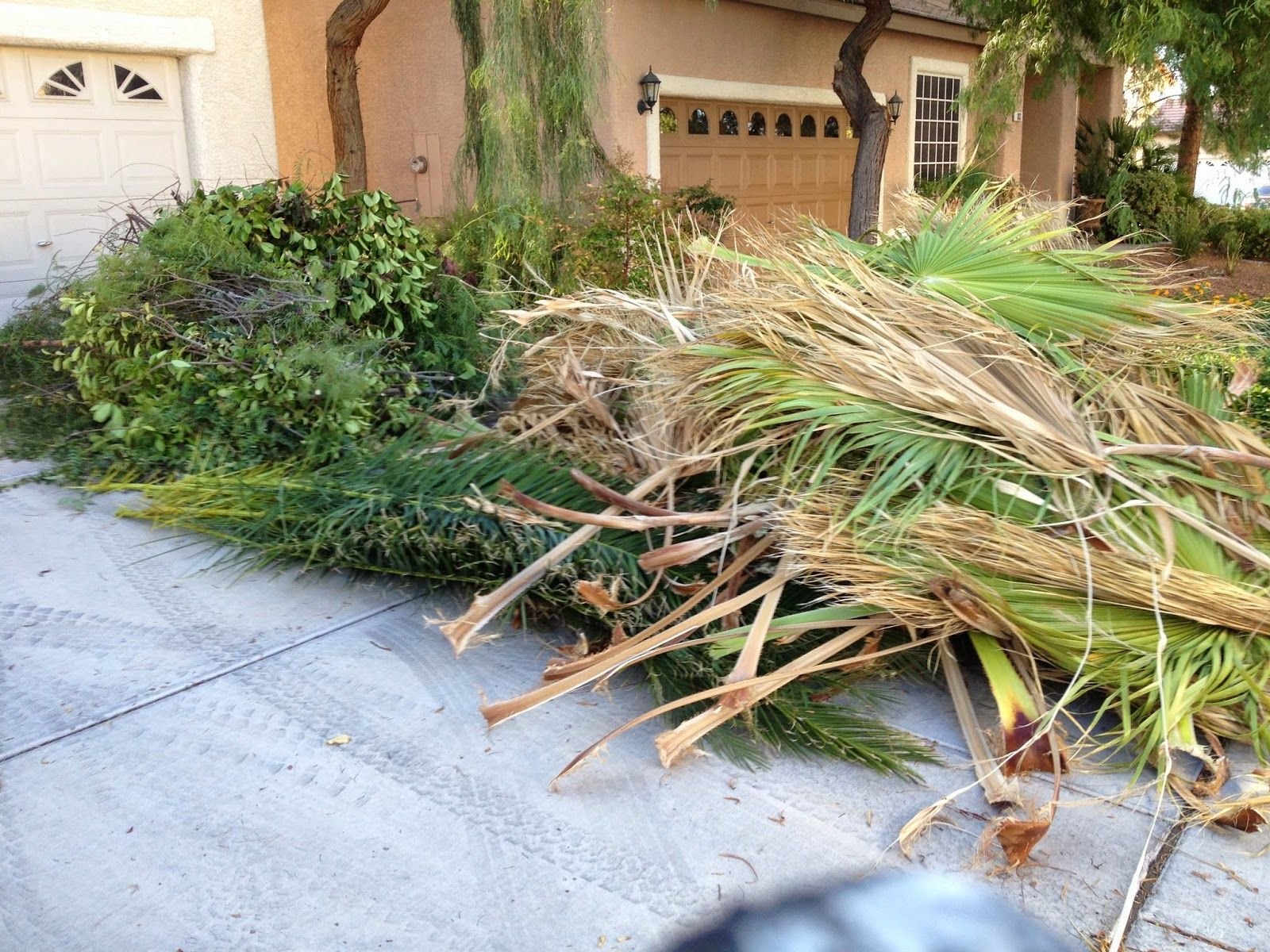
Tree trimming, pruning, and removal can improve your yard, but these jobs often leave behind branches, leaves, logs, and other unwanted materials. Storms can also scatter debris across lawns, driveways, and outdoor spaces. If the waste is not cleared properly, it can make your property look untidy and create obstacles around areas you use every day.
Yard debris removal is about more than making your property look clean. It also helps keep walkways accessible, makes outdoor maintenance easier, and allows you to spot potential problems that may be hidden beneath piles of branches or leaves.
Whether you are cleaning up after tree work or dealing with storm debris, having a clear plan can make the job easier.
Here are seven practical tips for removing yard debris safely and keeping your outdoor space in good condition.
1. Assess the Debris Before You Start
Before picking up branches or moving piles of leaves, take a few minutes to inspect the property. Understanding the amount and type of debris helps you decide which tools, equipment, and removal methods you need.
A small pile of leaves requires a different approach from a yard filled with heavy branches and logs after tree removal.
Identify the Types of Debris
Walk around the affected area and look for:
- Small branches and twigs.
- Leaves, grass clippings, and loose plant material.
- Large limbs and logs.
- Broken branches left by a storm.
- Debris blocking walkways or driveways.
- Materials tangled in shrubs or caught around fences.
Separate light yard waste from heavier materials when possible. This makes it easier to determine what can be handled with basic tools and what may require professional equipment.
Look for Hidden Hazards
Debris piles can conceal sharp branches, broken glass, unstable logs, or other hazards. Storm cleanup may also involve damaged trees, hanging limbs, and branches resting against structures.
Do not approach trees that have fallen onto power lines or attempt to move debris near damaged electrical equipment. Keep your distance and contact the appropriate utility company or emergency service.
If a tree is leaning unexpectedly or has large broken limbs hanging overhead, have a qualified tree professional assess the situation before starting cleanup.
A careful inspection helps you avoid unnecessary risks and choose the right approach from the beginning.
2. Remove Large Branches Before Smaller Debris
Once the area has been assessed, start by addressing larger pieces of debris that block access or create obstacles. Heavy branches and logs can make it difficult to collect smaller materials efficiently.
Clearing the largest items first also gives you more room to work and helps you organize the remaining cleanup.
Follow a Practical Cleanup Order
A useful sequence is:
- Identify dangerous or unstable materials that need professional attention.
- Move manageable large branches from accessible areas.
- Collect smaller sticks and twigs.
- Rake leaves and loose plant material.
- Check the ground for remaining debris.
Work in manageable sections rather than trying to clear the entire yard at once. This helps prevent debris from being scattered back into areas you have already cleaned.
Handle Heavy Materials Carefully
Branches and logs can be heavier than they appear, especially when wet. Avoid lifting loads that are too large or awkward to carry safely.
Use suitable tools and get help with heavy items when needed. Never stand beneath hanging branches or attempt to cut unstable limbs without the proper training and equipment.
Large tree sections may require professional removal, particularly when they are close to buildings, fences, or other structures.
If your cleanup follows tree removal or trimming, Access Services LLC offers debris removal to collect unwanted tree material from yards, driveways, and other affected areas. You can learn more about its debris removal services when the job is too large to manage alone.
3. Use the Right Tools for the Job
The right equipment can make yard debris removal faster and more manageable. However, using the wrong tools can increase the risk of injury or damage your lawn and landscaping.
Choose tools based on the size of the debris, the layout of your property, and the condition of the ground.
Useful Tools for Routine Cleanup
Depending on the job, you may need:
- Rake: Collects leaves, grass clippings, and small twigs.
- Work gloves: Help protect your hands from rough branches and splinters.
- Wheelbarrow: Makes it easier to move manageable piles of yard waste.
- Pruning shears: Help with small, accessible branches within the tool’s capacity.
- Yard waste bags or containers: Keep collected leaves and smaller materials organized.
- Leaf blower: Helps gather dry leaves in suitable outdoor areas.
Use eye protection and sturdy footwear when handling branches or working around debris. Wear additional protective equipment when the task requires it.
Avoid Using Equipment You Cannot Handle Safely
Chainsaws, heavy cutting equipment, and machinery require appropriate knowledge and precautions. Do not use them to handle unstable storm-damaged trees or overhead limbs without the necessary expertise.
Also, avoid driving heavy equipment across soft lawns or landscaped areas unless the ground and equipment are suitable. This can help prevent ruts, damaged grass, and compacted soil.
For ordinary yard cleanup, simple tools may be enough. For extensive tree waste or hazardous debris, professional removal is often the more practical option.
4. Sort Yard Waste Before Disposal
Not all yard debris needs to be handled in the same way. Leaves, small branches, large logs, and mixed waste may have different disposal options depending on local rules and available services.
Sorting materials before removal can reduce mess and help you avoid disposal problems.
Organize the Waste
Where practical, separate debris into categories such as:
- Leaves and grass clippings.
- Small branches and twigs.
- Larger branches and logs.
- Clean plant material suitable for composting.
- Mixed or contaminated debris that needs separate handling.
Keeping materials separate can make it easier to decide what can be reused, composted, collected by a yard waste service, or taken to an approved disposal facility.
Check Local Disposal Requirements
Communities may have specific rules about yard waste bags, collection schedules, branch lengths, and the handling of larger tree materials.
Check your local waste service’s requirements before placing debris at the curb or transporting it elsewhere. Do not burn yard waste unless it is legally permitted and safe under current local conditions.
Avoid placing branches or piles of leaves in streets, drainage channels, or public walkways. These can obstruct access and create hazards.
If you have more debris than your regular collection service can handle, a professional removal service may help clear the materials and leave the affected area ready for normal use.
5. Pay Attention to Storm-Damaged Trees and Branches
Storms can leave yards covered with broken limbs, fallen branches, and scattered plant material. Although some debris is easy to collect, other damage may involve unstable trees or branches that could fall without warning.
Before starting storm cleanup, determine whether the problem is limited to loose debris or involves a larger tree hazard.
Warning Signs to Watch For
Check for:
- Large branches broken but still attached to a tree.
- Trees leaning in a new direction.
- Split trunks or major limbs.
- Trees resting against buildings or fences.
- Branches tangled in overhead wires.
- Fallen trees blocking entrances or access routes.
Do not attempt to pull down hanging limbs or cut trees that are under tension. Damaged branches can shift suddenly, and fallen trees may contain stored tension that makes them dangerous to cut.
If electrical lines are involved, stay away and contact the utility company. If a tree threatens a structure or has major unstable limbs, contact a qualified tree professional.
Clear Ordinary Debris After the Area Is Safe
Once dangerous conditions have been addressed, loose branches and leaves can be collected from accessible areas.
Start with paths, entrances, and driveways that people need to use. Then work through lawns, planting beds, and other affected areas.
Storm cleanup may also reveal damage to fences, garden beds, and other outdoor features. Inspect these areas after the debris has been removed so you can identify any repairs that may be needed.
6. Protect Your Lawn and Landscaping During Cleanup
Removing debris should not create additional damage to your property. Heavy branches, dragging logs, and careless use of equipment can harm grass, plants, fences, and garden beds.
Taking a little extra care during cleanup can help preserve the parts of your yard that remain in good condition.
Move Debris Without Damaging Plants
Avoid dragging heavy limbs across lawns or through planted areas when doing so could tear up the ground or break nearby plants. Use a suitable carrying method or equipment when necessary.
When collecting leaves from planting beds, work carefully around delicate plants and ground cover. A rake with an appropriate design can help reduce the chance of pulling up plants along with the debris.
If debris has been piled on grass for an extended period, inspect the area after removal. The grass may need time to recover, and damaged sections may require additional care.
Check for Debris in Difficult-to-Reach Areas
Small branches and leaves can collect behind sheds, around fences, beneath shrubs, and near outdoor structures.
Inspect these areas after the main cleanup. Remove loose materials carefully without disturbing utility connections or damaging existing landscaping.
If tree work is planned in advance, ask how branches and logs will be handled and where debris will be placed during the job. Planning the cleanup process can help reduce unnecessary disruption to your yard.
7. Schedule Professional Debris Removal When Needed
Some yard cleanup projects are manageable with basic tools and a little time. Others involve large volumes of tree waste, heavy logs, extensive storm debris, or materials spread across a large property.
In these situations, professional debris removal can save time and reduce the physical work required.
When Should You Consider Professional Help?
A removal service may be useful when:
- Tree trimming leaves large piles of branches.
- A tree removal project produces heavy wood waste.
- Storms scatter debris across the property.
- Branches and logs are too heavy to move safely.
- You need a driveway or outdoor area cleared promptly.
- You want the property cleaned after professional tree work.
Professional help is especially useful when debris is difficult to collect or transport with the equipment you have available.
What to Ask Before Hiring a Service
Before scheduling a cleanup, explain the type and amount of debris on your property. Ask which materials the service handles, whether hauling and disposal are included, and whether the quoted price covers the full cleanup area.
It is also helpful to clarify whether the work involves only loose debris or includes cutting, tree removal, or other tree services. These tasks may require different equipment and pricing.
Access Services LLC provides debris removal for branches, leaves, logs, and other unwanted tree materials. The company serves properties within its stated service area, including the Steger, Illinois area and surrounding communities.
Choosing a service that understands the job’s scope helps set clear expectations about what will be removed and how the area will be left afterward.
How Often Should You Clear Yard Debris?
The right cleanup schedule depends on the number of trees on your property, seasonal changes, weather conditions, and how often you use your outdoor space.
A property with mature trees may need regular attention throughout the year, while a yard with fewer trees may require less frequent cleanup.
Consider these practical habits:
- After storms: Check for fallen branches and blocked paths once conditions are safe.
- During fall: Collect leaves regularly to keep walkways and outdoor areas manageable.
- After tree work: Remove branches and other materials left by trimming or removal.
- During routine yard maintenance: Pick up small branches before they accumulate.
- Before outdoor gatherings: Clear access routes and remove loose debris from seating areas.
Regular cleanup can make larger jobs less overwhelming. It also gives you opportunities to notice damaged trees, blocked drainage areas, and other outdoor maintenance concerns.
Frequently Asked Questions About Debris Removal
1. What does yard debris removal include?
Yard debris removal commonly involves collecting and hauling away materials such as branches, leaves, twigs, logs, and other tree waste. The exact service depends on the provider, so confirm which materials are included before scheduling.
2. Should I remove tree debris immediately after a storm?
First, make sure the area is safe. Stay away from hanging branches, unstable trees, and anything near damaged power lines. Once hazardous conditions have been addressed, loose debris can be removed from accessible areas.
3. Can yard debris be composted?
Some materials, including leaves, grass clippings, and small untreated plant materials, may be suitable for composting. Large branches and logs usually require a different method. Avoid composting diseased plant material unless your composting method can handle it safely.
4. How much does debris removal cost?
The cost depends on the volume and type of debris, how accessible it is, the equipment required, and whether hauling and disposal are included. Request an estimate based on the actual condition of your property.
5. Is professional debris removal worth it?
Professional removal can be useful when the cleanup involves large branches, heavy logs, extensive storm debris, or more material than you can safely manage yourself. It can also save time after tree trimming or removal projects.
Keep Your Property Clean With Proper Debris Removal
Branches, leaves, logs, and storm debris can quickly make an outdoor space difficult to maintain. A careful inspection, suitable tools, organized disposal, and attention to safety can make routine cleanup more manageable.
For larger jobs, professional debris removal can help clear the property without requiring you to handle every branch or transport large amounts of waste yourself. Always address unstable trees and hazardous conditions before beginning ordinary cleanup.
Access Services LLC offers debris removal for properties affected by tree trimming, pruning, tree removal, storms, and general yard cleanup. To learn more about its service and discuss your cleanup needs, visit Access Services LLC.